
From business problem to working product.
We build apps, websites and online stores for startups and growing businesses, from the first idea to a product that works.
Move your mouse. The product is alive.
Work we are proud to show
Real products, live today. Open one to read the case.
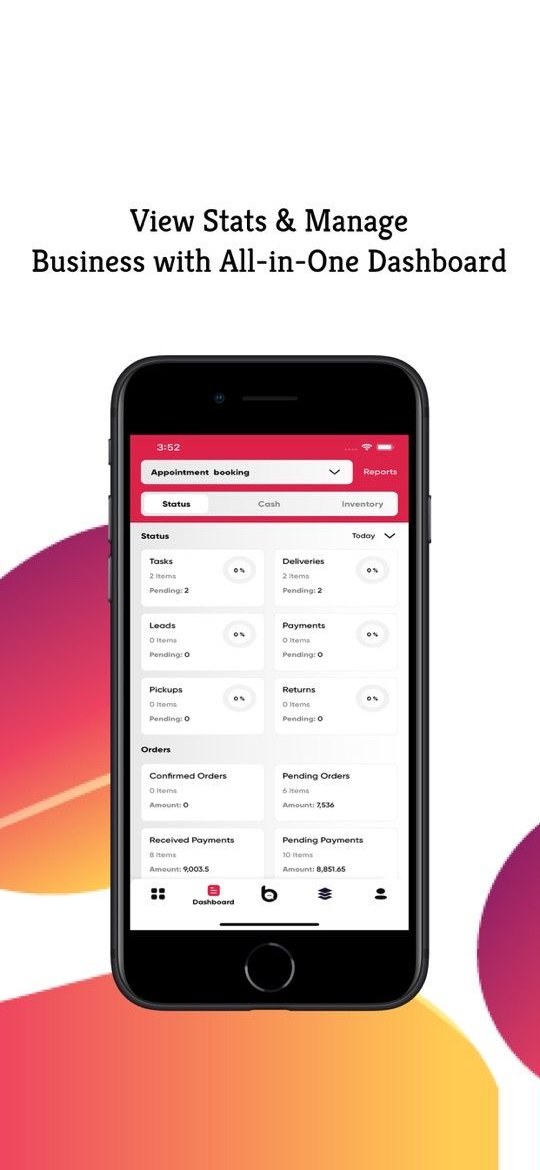
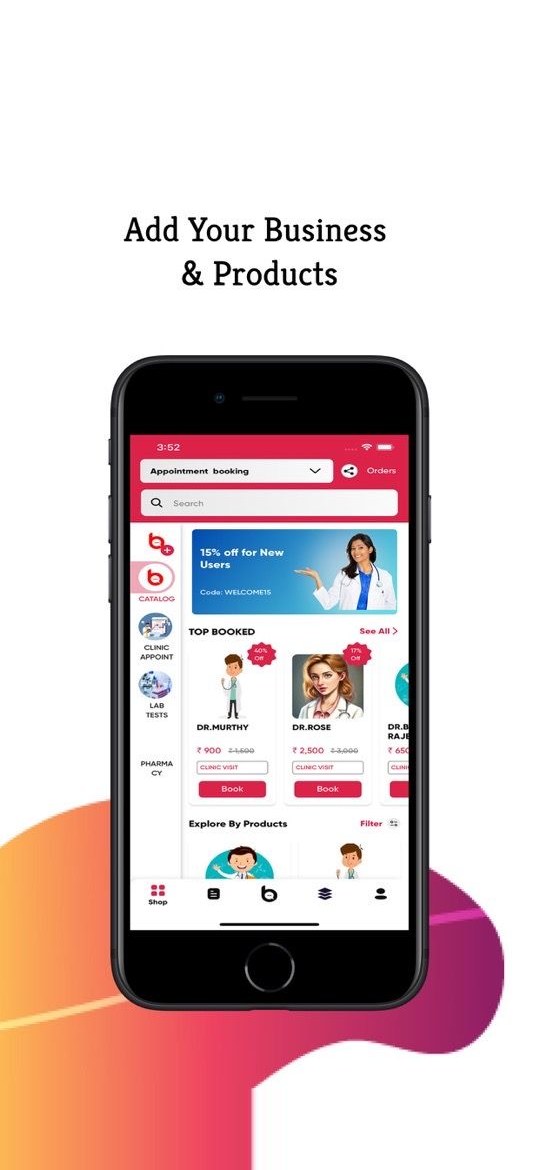
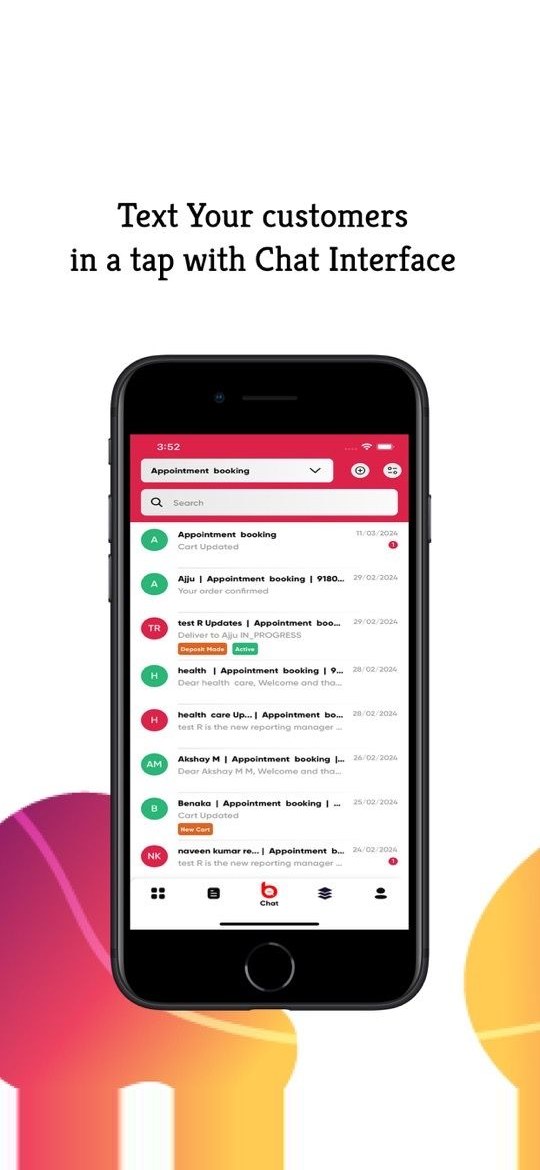
- Business platformBusyness App1,086businesses with their own apps
- Started as one app. Clients wanted their own.
- So we turned app launches into a machine.
- Now any business gets its own apps in hours.
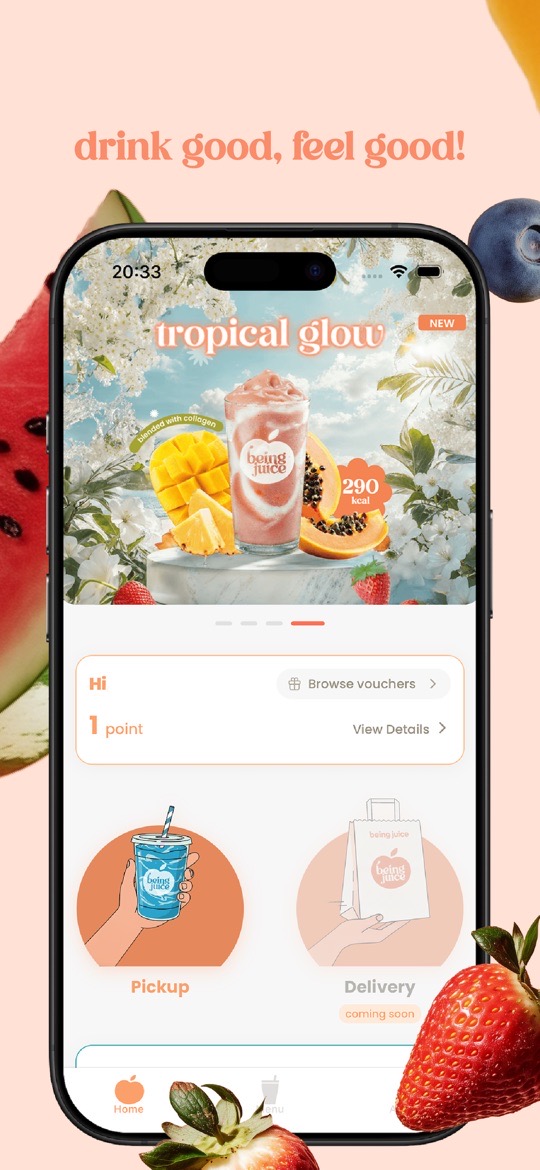
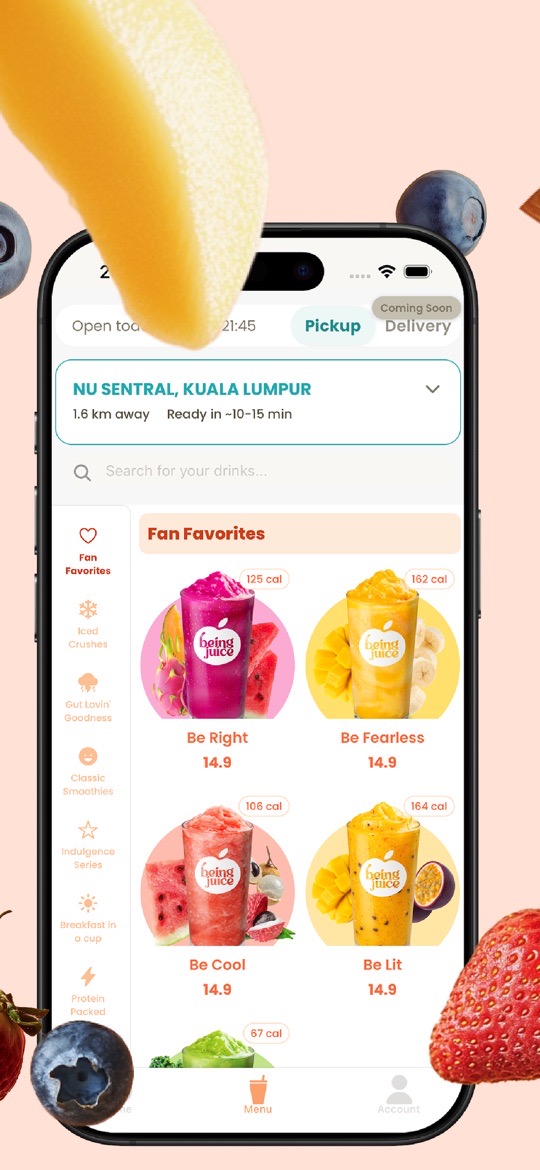
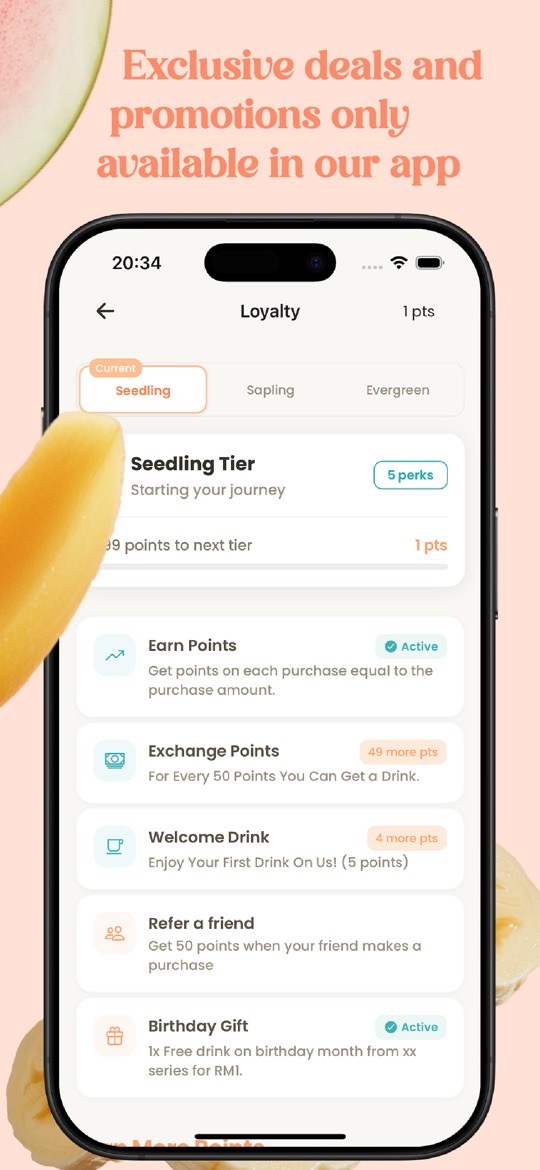
- Food and drink brandBeing Juice22+locations in two countries
- From one cart to two countries.
- An app to pick a store, order, pay and earn rewards.
- Built to run in two markets, with each country's payments.
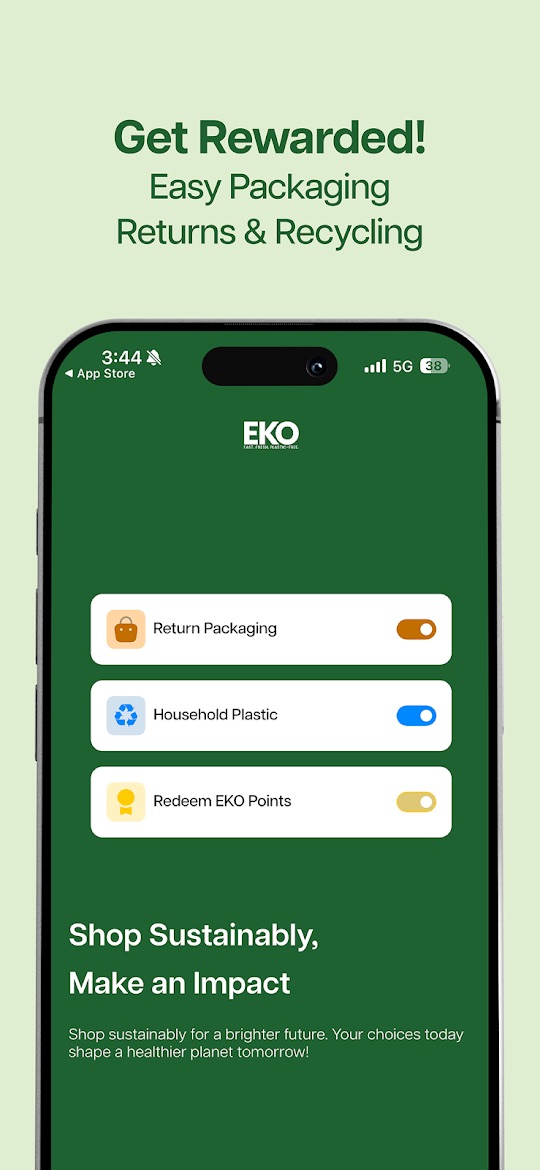
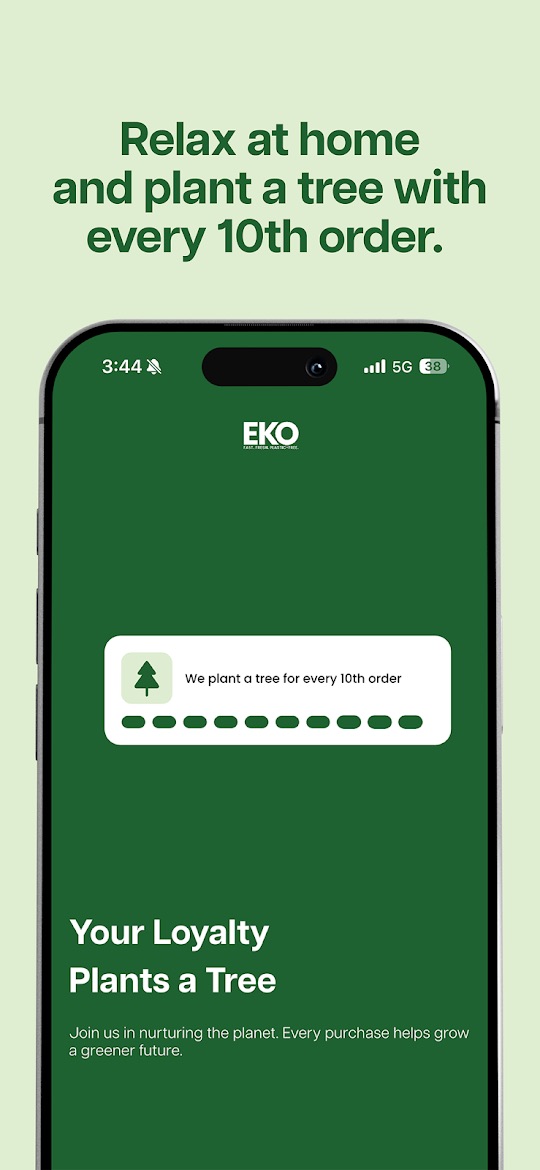
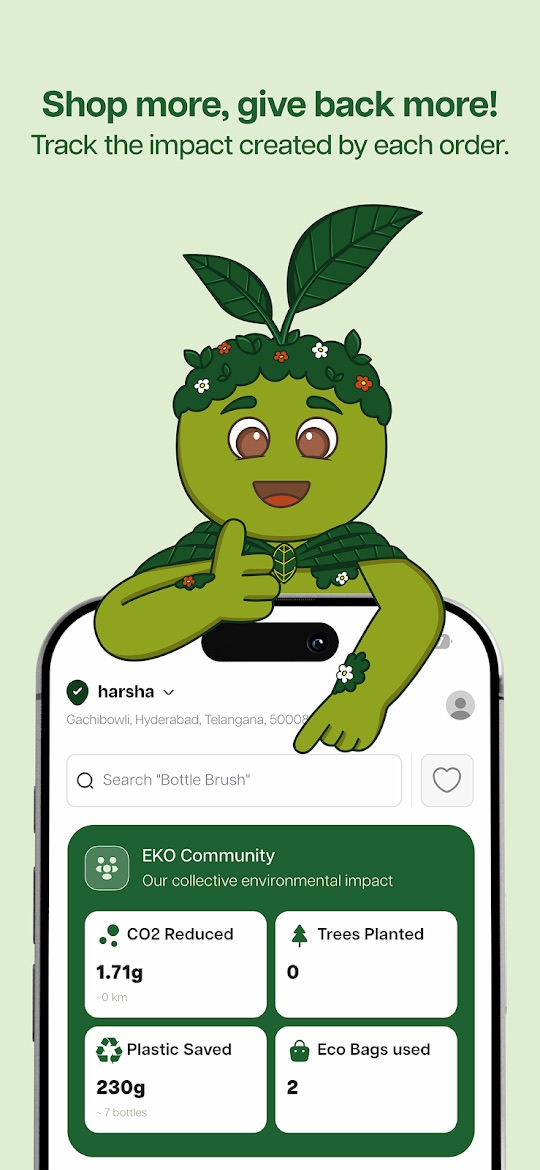
- Sustainable shoppingEKO100%plastic-free, with green rewards
- Shop plastic-free. Earn green rewards for every pickup.
- Your delivery rider takes back your recyclables, free.
- See the impact you make, right in the app.
See all 8 projects, across commerce, education, food and fintech
Which of these sounds like you?
Pick the sentence closest to your situation. The product changes to match.
MVP development and technical strategy.
- Clarify the problem
- Scope and roadmap
- Architecture
- First release
- Iterate
Online stores, marketplaces and ordering apps.
- Product catalog
- Search and cart
- Checkout
- Orders
- Delivery
iOS, Android and cross-platform applications.
- Design
- Build
- Test
- Store release
- Support
Web applications, dashboards and portals.
- Workflows
- Interface
- Build
- Integrate
- Improve
Fixing and building the back end, the part users never see.
- Review what exists
- Plan the data
- Design the connections
- Build the core
- Make it dependable
Automated, repeatable releases and hosting (DevOps).
- Build
- Test
- Release
- Watch
- Recover
AI and workflow automation.
- Find the use case
- Check feasibility
- Build
- Integrate
- Review
We start with the problem. Technology comes second.
See how we think
Two small tools, to show how we think before we talk. They move the product, so you can watch the idea work.
Follow an order through a system
Illustrative, not a real WAFU product. Watch the product light up as the order moves.
- Customer app
- Gatekeeper (API)
- Orders
- Waiting line (queue)
- Payments
- Stock
- Messages
Press the button to send an order through seven parts of a typical online system.
Sketch your first version
A starting sketch to bring to a conversation. It is not a quote or a plan.
Interface
Storefront · Checkout
Services
Sign-in and accounts
Data and hosting
Catalog · Orders · Hosting and monitoring
How a project moves
Discover the business problem
We start with what the business needs to change, who will use the product, and what a good result looks like.
Define scope and risks
Scope, constraints and technical risks are written down before build work begins.
Design the experience and architecture
User journeys, interface and system design are worked out together, so engineering and design do not drift apart.
Build in reviewable increments
Working software is delivered in stages you can review, so direction can change while change is still cheap.
Test and prepare for launch
Testing, store preparation and release support, so launch is a planned step and not a scramble.
Support, learn and improve
After release we look at how the product is actually used and improve it from there.
Tell us what you want to build.
A short description of the problem is enough to start the conversation.